
Bathroom Wet Area Remodel — We Improve For You
Troubleshooting Guide

Bathroom Wet Area Remodel Troubleshooting Guide — We Improve For You

Renovating your bathroom's wet area can breathe new life into your home in Branford, CT, but it can also present a unique set of challenges. Understanding common issues that arise during a bathroom wet area remodel is essential for maintaining the space's functionality and aesthetics. From leaks to mold growth, being aware of potential problems can help you address them before they escalate into costly repairs. This troubleshooting guide aims to equip homeowners with the knowledge they need to identify and resolve issues that may surface during their bathroom wet area remodel. At We Improve For You, we specialize in transforming bathrooms into stunning wet areas that not only enhance your home’s value but also improve your daily living experience. However, even the most meticulously planned remodels can face obstacles. Whether you're dealing with water damage, poor drainage, or incompatible materials, this guide will help you recognize symptoms, understand possible causes, and provide steps you can take to troubleshoot these issues effectively. With the right approach, you can ensure that your remodeled wet area remains a beautiful and functional space for years to come.

By We Improve For You
8 min read
Expert-reviewed
Having an Emergency?
Don't wait — call us now for 24/7 emergency service in Branford, CT.
(475) 270-5258
Symptoms & Causes

Identify the Problem

Match your symptoms to the most likely cause. Severity ratings help you decide how urgently to act.

Water pooling in the shower or tub areahigh
Likely cause: Improper slope of the floor, Clogged drain, Damaged waterproofing membrane
DIY check: Check the drain for clogs and clear any debris; if the slope is the issue, consult a professional.
Mold growth on walls or ceilingmedium
Likely cause: Inadequate ventilation, Water leaks, High humidity levels
DIY check: Improve ventilation by installing an exhaust fan and clean mold with a mixture of water and vinegar.
Cracked tiles or groutmedium
Likely cause: Improper installation, Water damage, Shifting foundation
DIY check: Replace cracked tiles and regrout; ensure the underlying surface is dry and stable.
Persistent foul odorsmedium
Likely cause: Stagnant water, Clogged drains, Deteriorating plumbing
DIY check: Flush the drains with a mixture of baking soda and vinegar to eliminate odors.
Leakage from fixtureshigh
Likely cause: Worn-out seals, Improper installation, Corroded pipes
DIY check: Inspect and replace seals or washers; if pipes are corroded, call a professional.
Discoloration on walls or ceilingmedium
Likely cause: Water leaks, Poor waterproofing, Humidity issues
DIY check: Identify and fix the source of the leak; repaint with mold-resistant paint.
Slow draining bathtub or showermedium
Likely cause: Clogged drain, Incorrect slope, Debris buildup in pipes
DIY check: Use a plunger or drain snake to clear the clog.
What to Do Next

Step-by-Step Action Plan

Follow these steps before calling a technician — you may be able to resolve the issue yourself.

1

Assess the Situation

Begin by closely examining the wet area for any visible signs of water damage, mold, or defects in tiles and fixtures.

2

Check for Leaks

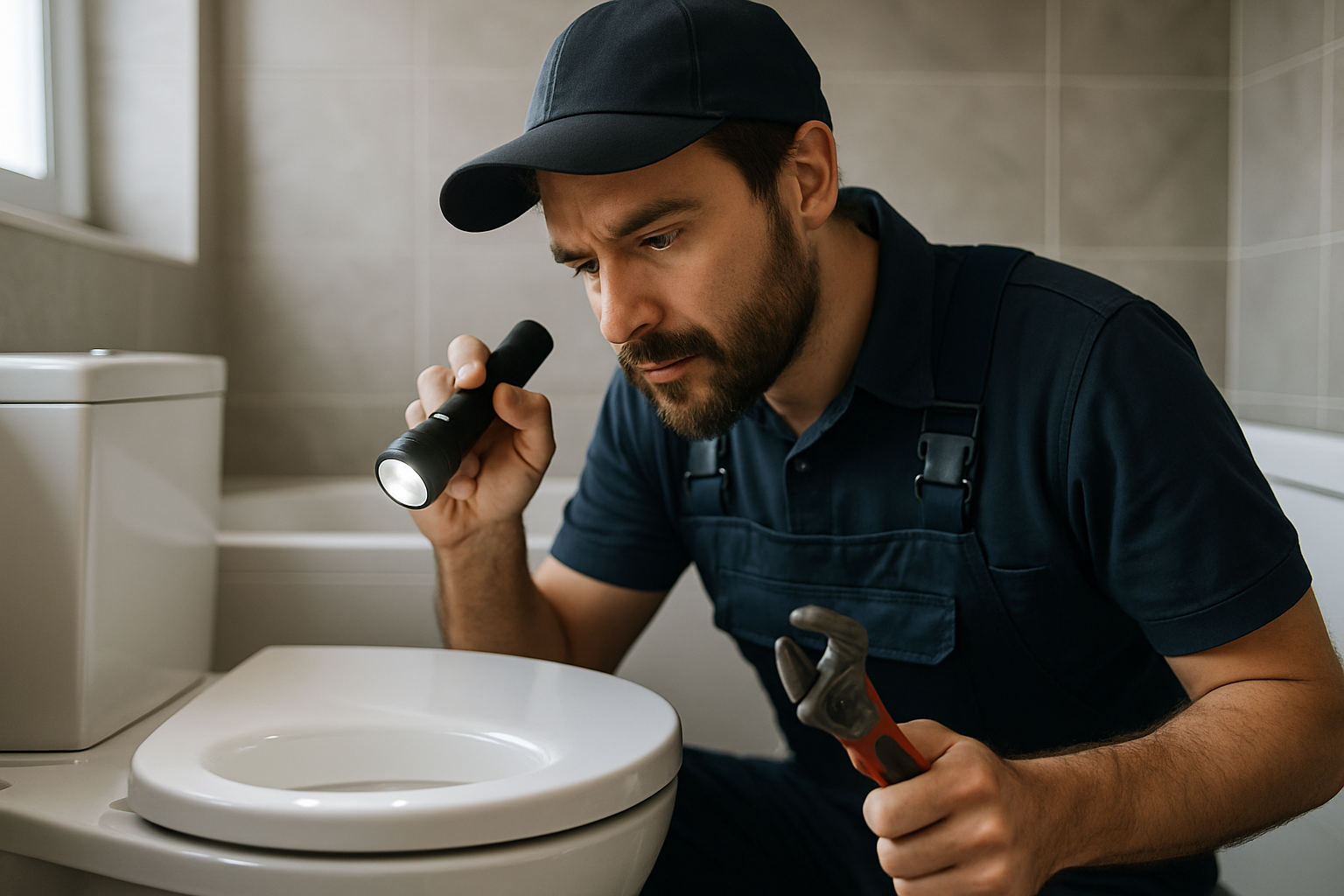
Inspect all plumbing fixtures and connections for leaks. Look under sinks and behind toilets for any signs of moisture.

3

Evaluate Drainage

Run water in the shower or tub and observe how quickly it drains. Slow draining may indicate a blockage or improper slope.

4

Inspect Ventilation

Check that your bathroom has adequate ventilation. If humidity levels seem high, consider upgrading your ventilation system.

5

Identify Mold Growth

If you observe mold, identify its source. Check for leaks or inadequate waterproofing and take remedial actions immediately.

6

Document Your Findings

Keep a record of any issues you find, including photos, to discuss with a professional if needed.

Pro Tip
Always turn off power to the unit at the breaker before inspecting any components. Safety first — even for simple checks.
When to Call a Professional

Don't DIY These Situations

Some repairs require a licensed technician for safety, code compliance, and warranty protection.

Professional Assessment Required

If you encounter extensive water damage that affects the structure, a professional is needed for proper remediation.

Professional Assessment Required

Complicated plumbing issues, such as corroded pipes, require specialized knowledge to resolve safely.

Professional Assessment Required

When mold growth exceeds a manageable level, especially in inaccessible areas, expert intervention is necessary.

Professional Assessment Required

If your wet area remodel involves significant alterations to plumbing or electrical systems, hire a licensed professional to ensure compliance with local codes.

Professional Assessment Required

For complex drainage issues that cannot be resolved through DIY methods, a professional can provide the expertise required.

Common Questions
What should I do if I notice mold in my bathroom wet area?
If you find mold in your bathroom wet area, it's essential to act quickly. Start by identifying and addressing the source of moisture causing the mold growth. Use a mixture of water and vinegar to clean small areas of mold. If the mold covers a large area or persists despite cleaning, it may indicate a more serious issue, and you should call a professional for remediation. Ensuring proper ventilation and using mold-resistant materials during your remodel can prevent future occurrences.
How can I tell if my bathroom is properly ventilated?
A well-ventilated bathroom should feel comfortable and not excessively humid after showers. You can check for proper ventilation by observing if condensation forms on mirrors or windows during and after use. Installing an exhaust fan is a great way to improve airflow, and it should be set to run for at least 20 minutes after showering. If you’re unsure about your bathroom's ventilation, consider consulting a professional for an assessment.
What are the signs of a plumbing leak in my wet area?
Signs of a plumbing leak can include damp spots on walls or ceilings, water pooling around fixtures, or an increase in your water bill without explanation. If you notice any of these signs, it’s crucial to investigate further. Check under sinks and around toilets for moisture, and consider using a moisture meter for a more accurate reading. If you suspect a leak but cannot find the source, it's best to call a professional plumber.
How often should I clean my bathroom wet area to prevent issues?
Regular cleaning of your bathroom wet area is key to preventing issues such as mold and mildew. Aim to clean your wet area at least once a week, focusing on tiles, grout, and fixtures. Additionally, you should inspect for any signs of wear or damage during your cleaning routine. If you notice any cracks or discoloration, address them promptly to avoid larger problems down the line.
Related Services

We Can Fix It For You

Our licensed team serves Branford, CT and surrounding areas — same-day service available.

Problem Solved — Or Need a Pro?

Our licensed team serves Branford, CT and surrounding areas. Get a free diagnosis — no obligation.