
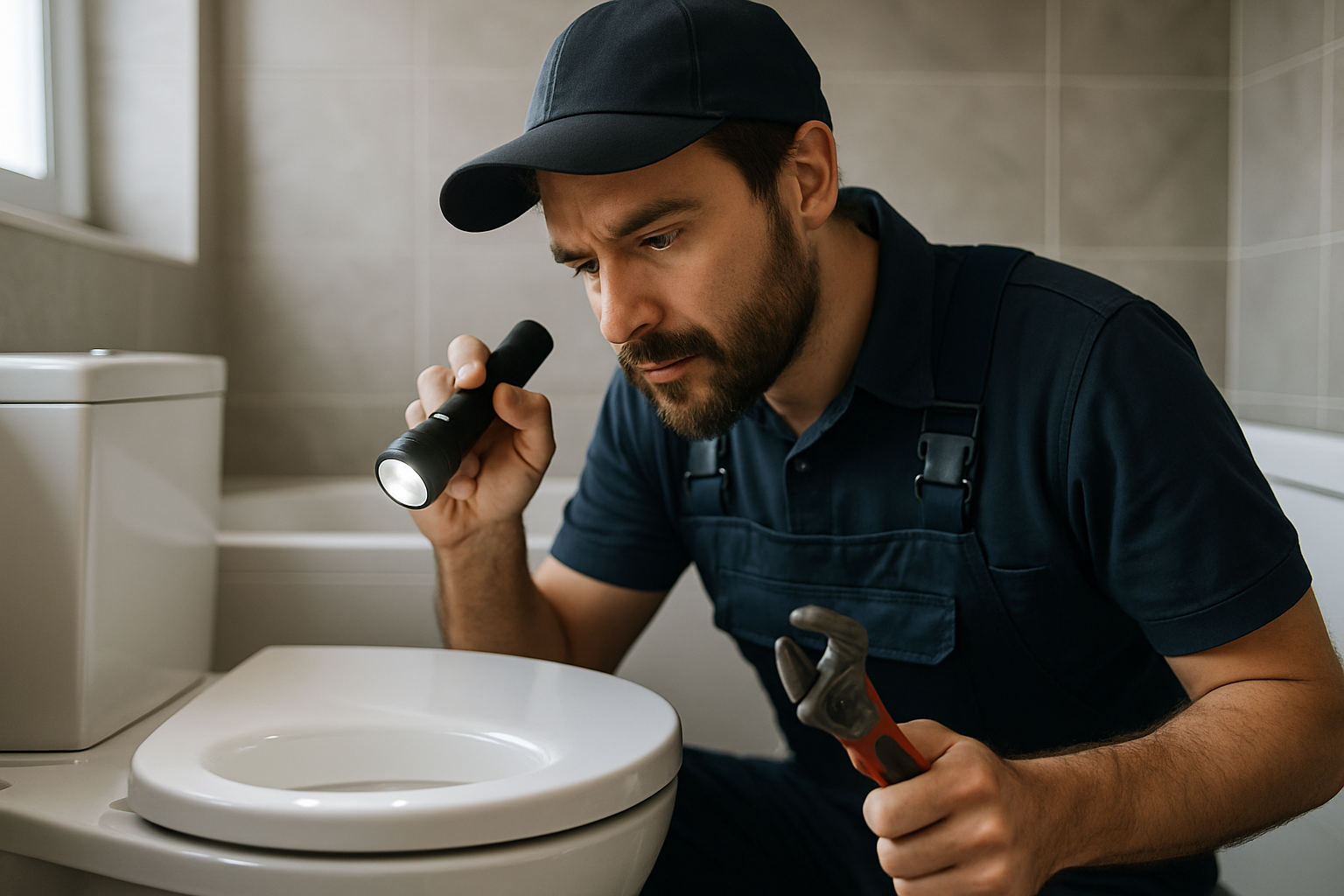
Handicap Accessible Shower Troubleshooting Guide — We Improve For You
Handicap accessible showers are essential for ensuring safety and comfort for individuals with mobility challenges. At We Improve For You, we understand the importance of having a fully functional and accessible shower in your Branford, CT home. Issues may arise over time, whether due to wear and tear or installation mishaps. Our goal is to help you troubleshoot common problems associated with handicap accessible showers, ensuring that your bathing experience remains safe and enjoyable. This guide will walk you through symptoms you might encounter, potential causes, and DIY fixes. Addressing these issues promptly can prevent further complications and ensure that your shower continues to meet your needs. From water drainage problems to mobility aids not functioning correctly, we’re here to help you navigate through these challenges effectively. Remember, if you encounter a problem that seems beyond a simple fix, don’t hesitate to reach out to our team of experts in Branford, CT for professional assistance.
Identify the Problem
Match your symptoms to the most likely cause. Severity ratings help you decide how urgently to act.
Step-by-Step Action Plan
Follow these steps before calling a technician — you may be able to resolve the issue yourself.
Identify the Problem
Begin by observing the symptoms. Is there a visible issue, such as leaks or instability? Make a note of everything you experience.
Check for Clogs
Inspect the drain for any visible debris. Use a plunger or drain snake to clear any clogs that may be causing water pooling.
Inspect Grab Bars and Seats
Check grab bars and shower seats for stability. Tighten screws and inspect the wall anchors for damage.
Examine Water Temperature
Monitor the temperature fluctuations. If they persist, check the mixing valve and flush your water heater.
Check for Surface Damage
Look for peeling on non-slip surfaces and ensure they are intact. If damaged, consider reapplication.
Test for Leaks
Turn on the shower and inspect all connections. If you notice leaks, tighten connections or replace the showerhead.
Don't DIY These Situations
Some repairs require a licensed technician for safety, code compliance, and warranty protection.
If the water pooling persists despite DIY fixes, a professional inspection is needed to assess drainage issues.
For grab bars that are excessively wobbly or have damaged wall anchors, professional installation is required to ensure safety.
Should you notice continuous water temperature fluctuations that you cannot resolve, a plumber should evaluate the mixing valve and water heater.
If the shower seat shows signs of structural failure, it’s crucial to have a professional assess and replace it to ensure safety.
In cases of mold or mildew due to persistent moisture issues, a contractor should address the underlying causes to prevent health hazards.
What should I do if my shower seat is unstable?
How can I prevent drainage issues in my handicap accessible shower?
Are there any maintenance tips for grab bars in my shower?
What causes temperature fluctuations in the shower?
We Can Fix It For You
Our licensed team serves Branford, CT and surrounding areas — same-day service available.
Problem Solved — Or Need a Pro?
Our licensed team serves Branford, CT and surrounding areas. Get a free diagnosis — no obligation.