
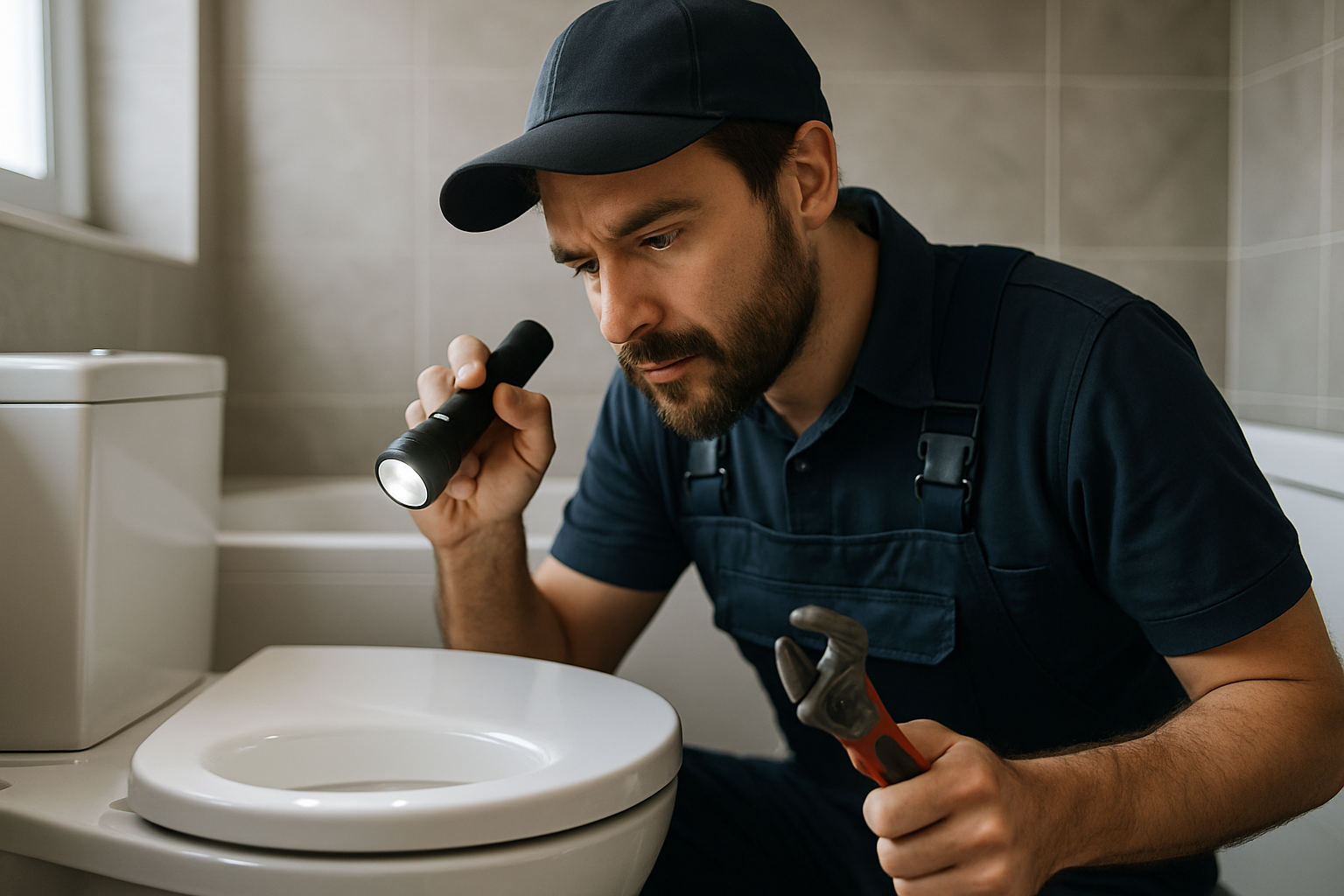
Bathroom Ceiling Repair — We Improve For You
Troubleshooting Guide

Bathroom Ceiling Repair Troubleshooting Guide — We Improve For You

Bathroom ceiling repairs can seem daunting, but understanding the common issues can help homeowners in Branford, CT, tackle problems effectively. A damaged bathroom ceiling can lead to more significant issues if not addressed promptly, including mold growth, water damage, and structural concerns. Whether you notice discoloration, peeling paint, or even sagging, knowing the symptoms and their causes is crucial for effective repairs. At We Improve For You, we specialize in troubleshooting bathroom ceiling repairs, ensuring that your home remains safe and visually appealing. This guide will walk you through common problems, DIY fixes, and when to call in a professional, all tailored to the unique needs of Branford residents. With years of experience in bathroom remodeling, our insights will empower you to maintain your bathroom ceilings and avoid costly repairs down the line.

By We Improve For You
8 min read
Expert-reviewed
Having an Emergency?
Don't wait — call us now for 24/7 emergency service in Branford, CT.
(475) 270-5258
Symptoms & Causes

Identify the Problem

Match your symptoms to the most likely cause. Severity ratings help you decide how urgently to act.

Water stains on the ceilinghigh
Likely cause: Leaking plumbing, Roof leaks, High humidity levels
DIY check: Identify the source of the leak and fix plumbing issues; use a dehumidifier to control moisture.
Peeling or bubbling paintmedium
Likely cause: Excess moisture, Improper ventilation, Low-quality paint
DIY check: Scrape off the peeling paint and apply a moisture-resistant primer before repainting.
Sagging ceilinghigh
Likely cause: Water damage, Structural issues, Improper installation
DIY check: Support the sagging area with temporary braces and assess for water damage.
Mold growth on the ceilinghigh
Likely cause: High humidity, Poor ventilation, Water leaks
DIY check: Clean the mold with a mixture of water and vinegar; improve ventilation to prevent future growth.
Cracks forming in the ceilingmedium
Likely cause: Settling of the home, Moisture damage, Poor installation
DIY check: Fill small cracks with spackling compound and paint over; monitor for new cracks.
Odor coming from the ceilingmedium
Likely cause: Mold or mildew, Water damage, Pest infestation
DIY check: Investigate for moisture sources and treat any mold or pest issues.
What to Do Next

Step-by-Step Action Plan

Follow these steps before calling a technician — you may be able to resolve the issue yourself.

1

Inspect for Water Sources

Check for any leaks in plumbing or roofing that may be causing water damage to your bathroom ceiling.

2

Assess Ceiling Condition

Look for signs of sagging, cracks, or mold. Document the extent of the damage to determine your next steps.

3

Test Ventilation

Ensure that your bathroom fan is working efficiently. Good ventilation helps reduce moisture buildup.

4

Repair Minor Damage

For small cracks or peeling paint, use spackling paste and a moisture-resistant primer to fix these issues.

5

Consider Professional Help

If the damage is extensive or involves structural issues, reach out to We Improve For You for a professional assessment.

Pro Tip
Always turn off power to the unit at the breaker before inspecting any components. Safety first — even for simple checks.
When to Call a Professional

Don't DIY These Situations

Some repairs require a licensed technician for safety, code compliance, and warranty protection.

Professional Assessment Required

Severe water damage that compromises structural integrity.

Professional Assessment Required

Extensive mold growth that requires specialized remediation.

Professional Assessment Required

Need for complex repairs due to plumbing or roofing issues.

Professional Assessment Required

Damage caused by pests that may require extermination and repair.

Professional Assessment Required

Inability to find the source of persistent leaks after DIY attempts.

Common Questions
How can I tell if my bathroom ceiling has water damage?
Signs of water damage include discoloration, peeling paint, and sagging sections of the ceiling. You may also notice a musty smell, which can indicate mold growth. If you see any of these signs, it’s crucial to investigate further to determine the source of the moisture.
What should I do if I find mold on my bathroom ceiling?
If you find mold, it’s essential to address the humidity issue first. Clean the mold with a mixture of water and vinegar or a specialized mold cleaner. For extensive mold, it's best to consult a professional like We Improve For You, especially if it affects your health or requires significant repairs.
Can I repair a sagging bathroom ceiling myself?
Minor sagging can often be supported temporarily with braces, but it’s essential to identify the cause of the sag first. If the sagging results from water damage or structural issues, professional repair is recommended to ensure safety and compliance with local building codes.
How often should I check my bathroom ceiling for issues?
It’s advisable to inspect your bathroom ceiling at least twice a year, especially after heavy rainfall or storms. Regular checks can help you catch problems early, preventing more extensive damage and costly repairs.
Related Services

We Can Fix It For You

Our licensed team serves Branford, CT and surrounding areas — same-day service available.

Problem Solved — Or Need a Pro?

Our licensed team serves Branford, CT and surrounding areas. Get a free diagnosis — no obligation.