
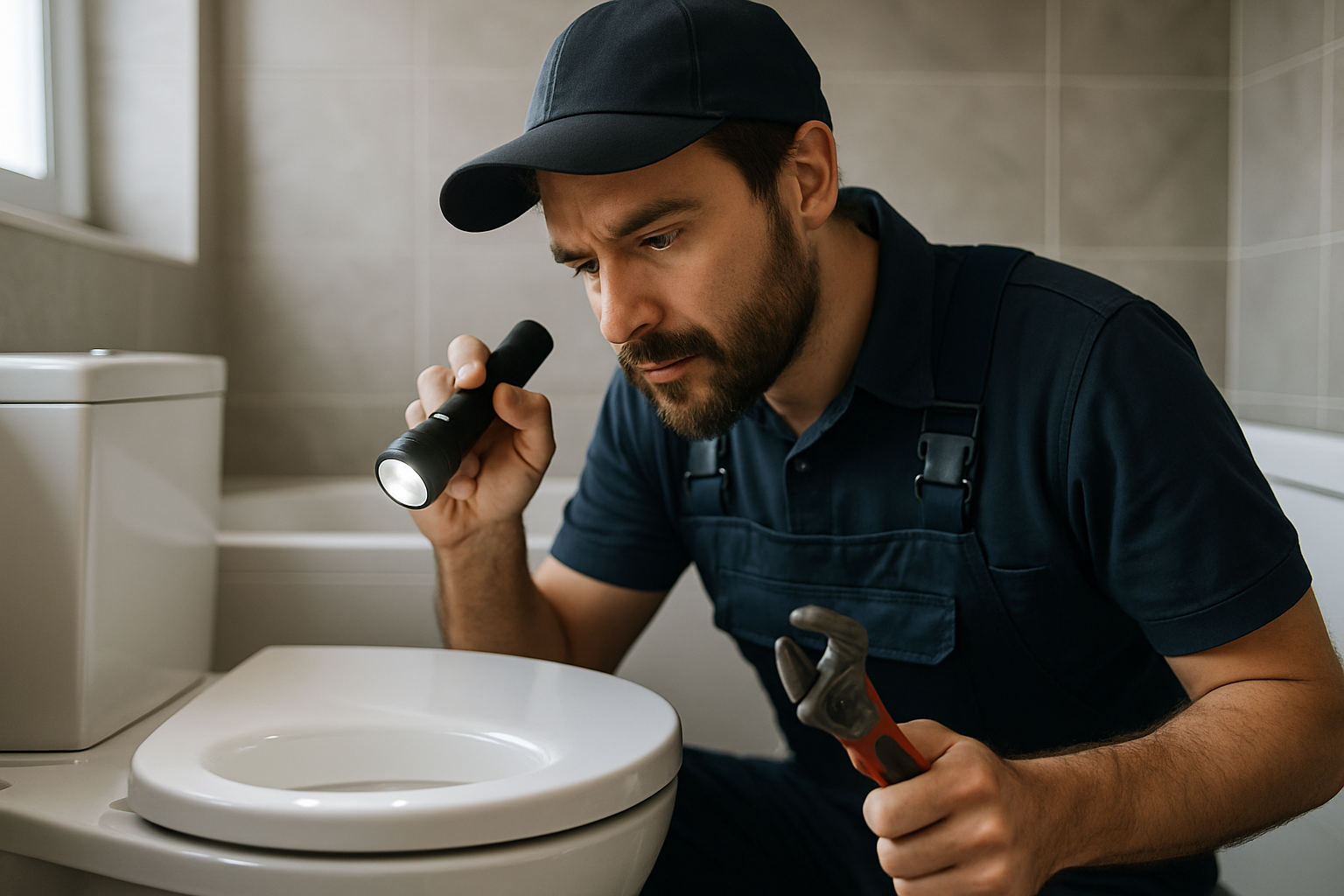
Bathroom Fan Installation — We Improve For You
Troubleshooting Guide

Bathroom Fan Installation Troubleshooting Guide — We Improve For You

Installing a bathroom fan is a crucial step in maintaining proper ventilation and preventing moisture buildup in your Branford, CT home. However, even a well-installed fan can run into issues over time. At We Improve For You, we understand that troubleshooting bathroom fan problems can be daunting, especially when you rely on it for air quality and comfort. This guide will help you identify common issues and possible fixes so you can restore optimal function to your bathroom fan. Whether you're struggling with inadequate airflow, unusual noises, or constant cycling, this guide will provide you with the knowledge necessary to address these problems. We aim to empower homeowners in Branford with the information needed to tackle these issues head-on, or to determine when it’s time to call in the professionals. With our expertise, we’re here to ensure that your bathroom remains a safe and pleasant space.

By We Improve For You
8 min read
Expert-reviewed
Having an Emergency?
Don't wait — call us now for 24/7 emergency service in Branford, CT.
(475) 270-5258
Symptoms & Causes

Identify the Problem

Match your symptoms to the most likely cause. Severity ratings help you decide how urgently to act.

Bathroom fan is not turning onhigh
Likely cause: Tripped circuit breaker, Faulty wiring, Defective fan motor
DIY check: Check the circuit breaker and reset if necessary; ensure the fan is plugged in.
Poor airflow from the fanmedium
Likely cause: Blocked ductwork, Fan too small for bathroom size, Improper installation angle
DIY check: Inspect and clear any obstructions in the duct; consider upgrading to a higher CFM fan.
Bathroom fan is making loud noisesmedium
Likely cause: Loose screws, Debris in the fan, Worn bearings
DIY check: Tighten screws and clean the fan; if noises persist, consider replacing the fan.
Fan operates intermittentlyhigh
Likely cause: Faulty switch, Loose wiring, Overheating due to poor ventilation
DIY check: Inspect the switch and wiring; check for signs of overheating.
Moisture or mold around fanhigh
Likely cause: Insufficient ventilation, Fan not running long enough, Improper installation
DIY check: Ensure fan is on long enough after showers and check installation angles.
Fan light not workinglow
Likely cause: Burnt-out bulb, Faulty wiring, Switch issues
DIY check: Replace the bulb and check the switch for proper function.
Fan is too noisymedium
Likely cause: Fan size mismatch, Unbalanced fan blades, Loose components
DIY check: Ensure fan is appropriate for the space and check for balance and tightness.
What to Do Next

Step-by-Step Action Plan

Follow these steps before calling a technician — you may be able to resolve the issue yourself.

1

Check the Power Supply

Start by ensuring the fan is receiving power. Check the circuit breaker and ensure the fan is plugged in securely. If the breaker is tripped, reset it and see if the fan starts.

2

Inspect for Blockages

Look for any visible obstructions in the fan or ductwork. Clear any debris that may be blocking airflow. This is essential for optimal fan performance.

3

Examine the Fan Blades

Remove the cover and inspect the fan blades for damage or dirt. Clean them thoroughly to ensure no debris is causing noise or obstructing airflow.

4

Check the Installation

Verify that the fan is installed correctly. This includes checking the angle of installation and ensuring that ductwork is properly connected.

5

Test the Switch and Wiring

If the fan does not operate properly, inspect the wall switch and wiring for any signs of damage or wear. Replace components as necessary.

6

Monitor for Moisture Issues

After addressing any issues, monitor the bathroom for moisture problems. Ensure the fan runs adequately after showers to prevent mold growth.

Pro Tip
Always turn off power to the unit at the breaker before inspecting any components. Safety first — even for simple checks.
When to Call a Professional

Don't DIY These Situations

Some repairs require a licensed technician for safety, code compliance, and warranty protection.

Professional Assessment Required

If electrical issues persist after checking the circuit and wiring, a licensed electrician should be called.

Professional Assessment Required

In case of persistent noise after troubleshooting, it may indicate a need for fan replacement or repair from a professional.

Professional Assessment Required

If the fan is not sized correctly for your bathroom, a bathroom remodeling contractor should assess and recommend an appropriate unit.

Professional Assessment Required

If mold or moisture issues continue after troubleshooting, a professional can determine if the ventilation needs to be improved or modified.

Professional Assessment Required

In cases where the fan installation seems incorrect, a professional can ensure it meets local building codes and safety regulations.

Common Questions
How do I know if my bathroom fan is the right size?
The right size of a bathroom fan is typically determined by the bathroom's square footage. A general rule of thumb is to allow for 1 CFM per square foot of bathroom space. For example, if your bathroom is 100 square feet, you will need a fan with a rating of at least 100 CFM. If you're unsure, consulting with a professional can help ensure you select a fan that meets your needs.
Why is my bathroom fan so noisy?
A noisy bathroom fan can be attributed to several factors, including improper installation, unbalanced blades, or a fan that is too small for the space. Additionally, foreign objects or debris caught in the fan can cause excessive noise. Regular maintenance, such as cleaning and checking for balance, can help mitigate noise issues. If the problem persists, it may be a sign that a replacement is necessary.
How often should I run my bathroom fan?
It's recommended to run your bathroom fan during and after showers to remove excess moisture. Ideally, you should leave it running for at least 20 minutes after bathing to ensure all humidity is expelled. If you notice persistent moisture or mold issues, consider running the fan longer or installing a timer to automate this process.
What should I do if my fan doesn't turn on?
If your bathroom fan doesn't turn on, first check the power supply. Ensure the fan is plugged in and that the circuit breaker hasn't tripped. If these checks do not resolve the issue, there may be a problem with the wiring or the fan motor itself. In such cases, it's advisable to contact a professional for an assessment.
Related Services

We Can Fix It For You

Our licensed team serves Branford, CT and surrounding areas — same-day service available.

Problem Solved — Or Need a Pro?

Our licensed team serves Branford, CT and surrounding areas. Get a free diagnosis — no obligation.