
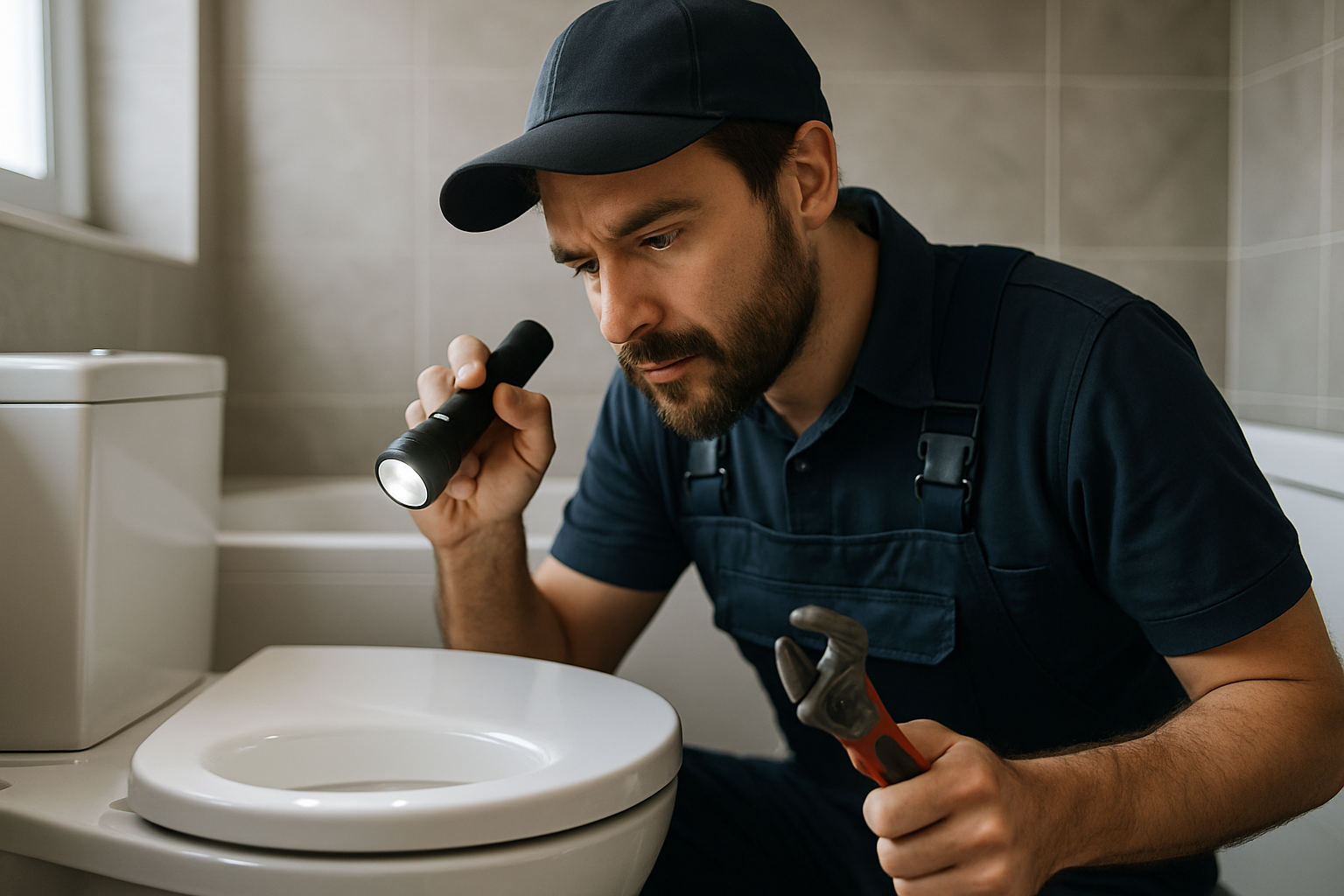
Bathroom Insulation Installation — We Improve For You
Troubleshooting Guide

Bathroom Insulation Installation Troubleshooting Guide — We Improve For You

Bathroom insulation installation is a critical component of any successful remodeling project, particularly in Branford, CT, where local climate conditions can impact your home's energy efficiency and comfort. Proper insulation not only helps in maintaining optimal temperatures but also prevents moisture buildup that can lead to mold and structural issues. At We Improve For You, we understand that insulation plays a significant role in ensuring that your bathroom remains a cozy and inviting space. However, problems can arise during or after installation, making it essential for homeowners to recognize and address these issues promptly. In this troubleshooting guide, we will discuss common symptoms associated with bathroom insulation installation, their possible causes, and actionable steps that homeowners can take to resolve them. Whether you're a seasoned DIYer or new to home improvement, our insights will help you navigate any challenges that come your way. Remember, while some issues can be fixed on your own, others may warrant a call to a professional bathroom remodeler in Branford, CT, to ensure that your insulation is installed correctly and effectively. Let's dive in and explore these common insulation problems and how to troubleshoot them effectively.

By We Improve For You
8 min read
Expert-reviewed
Having an Emergency?
Don't wait — call us now for 24/7 emergency service in Branford, CT.
(475) 270-5258
Symptoms & Causes

Identify the Problem

Match your symptoms to the most likely cause. Severity ratings help you decide how urgently to act.

Drafts in the bathroomhigh
Likely cause: Insufficient insulation coverage, Improperly sealed gaps around windows and doors, Inadequate insulation material
DIY check: Check for gaps and seal them with caulk or weatherstripping.
Mold growth on wallshigh
Likely cause: Moisture trapped in insulation, Poor ventilation, Water leakage from plumbing
DIY check: Inspect for leaks and improve ventilation with exhaust fans.
Unpleasant odorsmedium
Likely cause: Damp insulation material, Mold or mildew growth, Decomposing organic materials in the insulation
DIY check: Remove affected insulation and replace it with fresh, dry material.
Noise from plumbing or draftsmedium
Likely cause: Insufficient insulation around pipes, Loose or uninsulated plumbing fixtures, Improperly installed sound dampening insulation
DIY check: Add insulation around pipes and check for loose fixtures.
Inconsistent temperaturehigh
Likely cause: Insulation not installed to code, Insulation settling over time, Poor thermal resistance of insulation material
DIY check: Reassess insulation installation and consider upgrading materials.
High energy billshigh
Likely cause: Insufficient insulation leading to energy loss, Drafts from unsealed areas, Old or ineffective insulation materials
DIY check: Conduct an energy audit and seal any drafts or gaps.
What to Do Next

Step-by-Step Action Plan

Follow these steps before calling a technician — you may be able to resolve the issue yourself.

1

Inspect Your Insulation

Start by checking the insulation in your bathroom and adjacent areas for any visible signs of damage, such as sagging or wet spots.

2

Check for Drafts

Use a candle or incense stick to identify drafts around windows, doors, and outlets. If flames flicker or smoke moves, there's a draft.

3

Assess Ventilation

Ensure that your bathroom has adequate ventilation. Look for exhaust fans and check that they are functioning properly.

4

Look for Mold and Odors

Inspect for any musty odors or visible mold on walls and ceilings. If found, remove the affected areas and replace insulation as needed.

5

Review Insulation Type

Consider the type of insulation used. Make sure it is appropriate for bathroom environments, which often require moisture-resistant materials.

6

Consult a Professional

If you are unable to resolve the issues or if problems persist, contact We Improve For You at (475) 270-5258 for a thorough assessment.

Pro Tip
Always turn off power to the unit at the breaker before inspecting any components. Safety first — even for simple checks.
When to Call a Professional

Don't DIY These Situations

Some repairs require a licensed technician for safety, code compliance, and warranty protection.

Professional Assessment Required

If you discover extensive mold growth that requires professional remediation.

Professional Assessment Required

When the insulation has been improperly installed and you are unsure of how to correct it.

Professional Assessment Required

If there are plumbing leaks that need immediate attention and expertise.

Professional Assessment Required

When dealing with hazardous materials such as asbestos in older insulation.

Professional Assessment Required

If you need to ensure compliance with local building codes and regulations.

Common Questions
How long does bathroom insulation installation take?
The duration of bathroom insulation installation can vary widely depending on the size of the bathroom and the complexity of the job. Typically, a straightforward installation can take anywhere from 1 to 3 days, whereas more complex projects may require up to a week. Factors like removing old insulation, making repairs, and ensuring proper ventilation can all affect the timeline. It's best to consult with a professional to get a more accurate estimate based on your specific situation.
What type of insulation is best for bathrooms?
Bathrooms require insulation that can withstand moisture and humidity. The best options include moisture-resistant fiberglass insulation, closed-cell spray foam, and rigid foam board insulation. Each type has its advantages, but moisture-resistant fiberglass is often favored for its balance of cost, effectiveness, and ease of installation. When selecting insulation, consider your bathroom's specific needs in terms of moisture control and thermal efficiency.
Can I insulate my bathroom myself?
While DIY insulation is possible, it requires a thorough understanding of insulation materials, installation techniques, and local building codes. If you are experienced and confident in your skills, you can tackle a simple insulation project. However, for more complex installations or if you encounter any issues during the process, it is advisable to hire a professional. Incorrect installation can lead to serious problems like mold growth, thermal inefficiency, and structural damage.
How can I tell if my bathroom insulation is effective?
Signs of effective insulation include a consistent temperature in the bathroom, low energy bills, and the absence of drafts or mold. If you notice temperature fluctuations, drafts, or increased energy costs, it may indicate that your insulation is not performing as it should. A professional assessment can help identify any issues and recommend solutions to improve insulation performance.
Related Services

We Can Fix It For You

Our licensed team serves Branford, CT and surrounding areas — same-day service available.

Problem Solved — Or Need a Pro?

Our licensed team serves Branford, CT and surrounding areas. Get a free diagnosis — no obligation.