
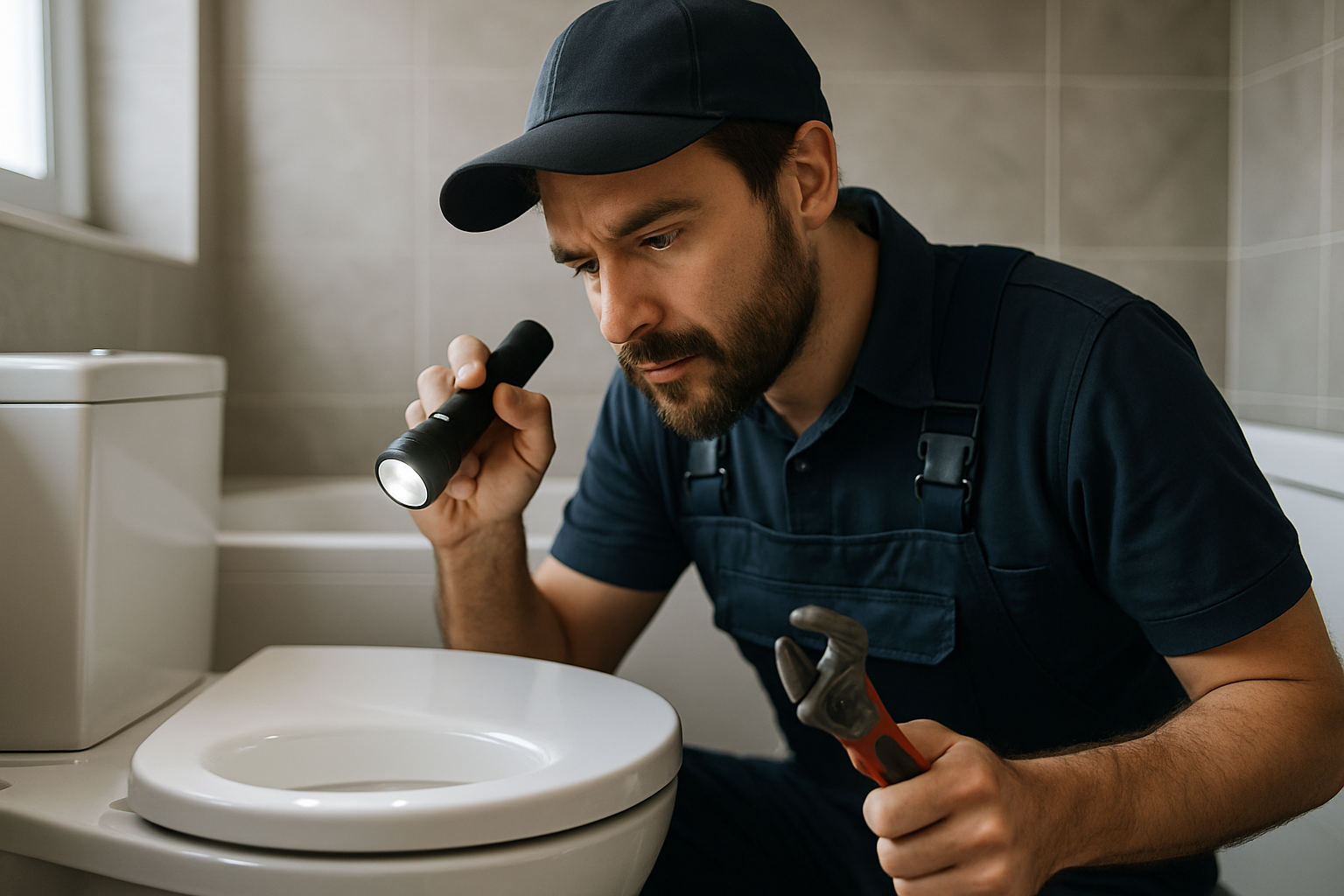
Bathroom Leak Detection — We Improve For You
Troubleshooting Guide

Bathroom Leak Detection Troubleshooting Guide — We Improve For You

Bathroom leak detection is crucial for maintaining the integrity of your home in Branford, CT. Even a small leak can lead to significant damage over time, including mold growth and structural issues. At We Improve For You, we understand the importance of identifying and addressing leaks early on to prevent costly repairs down the line. This guide aims to provide you with the knowledge needed to troubleshoot common leak issues in your bathroom effectively. Understanding the signs of a leak is the first step in protecting your home. Whether it's a dripping faucet, water stains on the ceiling below, or an unusually high water bill, these symptoms should not be ignored. Our guide will not only help you identify potential leaks but also offer practical solutions and advice on when to call a professional in Branford, CT. With our expertise in bathroom remodels and leak detection, we are here to ensure your home stays safe and dry.

By We Improve For You
8 min read
Expert-reviewed
Having an Emergency?
Don't wait — call us now for 24/7 emergency service in Branford, CT.
(475) 270-5258
Symptoms & Causes

Identify the Problem

Match your symptoms to the most likely cause. Severity ratings help you decide how urgently to act.

Water stains on the ceiling below the bathroomhigh
Likely cause: Leaking pipes from the bathroom above, Damaged grout or caulking, Faulty toilet seal
DIY check: Check for visible leaks; if none are found, consider re-caulking edges.
Increased water bill without increased usagemedium
Likely cause: Hidden leaks in pipes, Running toilet, Faulty faucet cartridges
DIY check: Monitor your water meter when not using water to check for movement.
Mold or mildew growth in bathroom cornersmedium
Likely cause: Excess moisture from leaks, Poor ventilation, High humidity levels
DIY check: Improve ventilation and apply mold-resistant paint; check for leaks.
Puddles of water around the toilet basehigh
Likely cause: Loose or damaged toilet seal, Cracked toilet bowl, Leaking supply line
DIY check: Tighten the bolts securing the toilet; replace the wax seal if necessary.
Dripping faucets or showerheadslow
Likely cause: Worn-out washers or O-rings, Corroded valve seat, High water pressure
DIY check: Replace washers or O-rings; check for proper water pressure.
Soft or spongy floor around the tub or showerhigh
Likely cause: Leaking shower pan, Damaged flooring due to prolonged exposure to water, Poor installation
DIY check: Check for visible leaks; if the floor feels soft, consult a professional immediately.
What to Do Next

Step-by-Step Action Plan

Follow these steps before calling a technician — you may be able to resolve the issue yourself.

1

Inspect Visible Plumbing

Start by checking all visible pipes, faucets, and fixtures for signs of moisture or dripping. Pay attention to joints and connections.

2

Check Water Meter

Turn off all water fixtures and check your water meter. If it continues to move, you likely have a leak somewhere in your plumbing.

3

Look for Water Stains

Investigate the areas below your bathroom, such as ceilings or walls, for water stains, which indicate leaks from above.

4

Evaluate Caulking and Grout

Inspect the caulking around your tub, shower, and sink, as well as the grout between tiles. Look for cracks or gaps that could permit water to escape.

5

Test for Toilet Leaks

Add a few drops of food coloring to your toilet tank and wait 30 minutes. If the color appears in the bowl, you have a leak.

Pro Tip
Always turn off power to the unit at the breaker before inspecting any components. Safety first — even for simple checks.
When to Call a Professional

Don't DIY These Situations

Some repairs require a licensed technician for safety, code compliance, and warranty protection.

Professional Assessment Required

If you have water damage to structural elements like beams or subfloors.

Professional Assessment Required

When mold growth exceeds what can be cleaned safely by a homeowner.

Professional Assessment Required

If the leak source is behind walls or under floors that you cannot access.

Professional Assessment Required

When multiple symptoms are present, indicating a more significant plumbing issue.

Professional Assessment Required

If repairs require specialized tools or expertise beyond basic DIY skills.

Common Questions
How can I tell if I have a hidden leak in my bathroom?
Checking for hidden leaks can be done by monitoring your water meter, inspecting for water stains, and listening for sounds of dripping when all fixtures are off. The presence of wet spots on walls or ceilings can also indicate a leak. If you suspect a hidden leak but can't locate it, it's best to contact a professional for thorough detection.
What are the signs of a leaking toilet?
Signs of a leaking toilet include water pooling around the base, a constantly running toilet, and water stains on the floor. If you notice any of these symptoms, especially with increased water bills, it’s important to inspect the toilet seal and supply line for damage or wear.
Can I fix a bathroom leak myself?
Some minor leaks, such as dripping faucets or loose fittings, can be fixed by homeowners with basic tools. However, for more complex issues, like leaks behind walls or significant water damage, it's recommended to call a professional to ensure a proper and safe repair.
What causes mold growth in bathrooms?
Mold growth in bathrooms is often a result of excessive moisture from leaks, inadequate ventilation, or high humidity levels. Addressing leaks promptly and ensuring proper airflow can help prevent mold from developing.
Related Services

We Can Fix It For You

Our licensed team serves Branford, CT and surrounding areas — same-day service available.

Problem Solved — Or Need a Pro?

Our licensed team serves Branford, CT and surrounding areas. Get a free diagnosis — no obligation.