
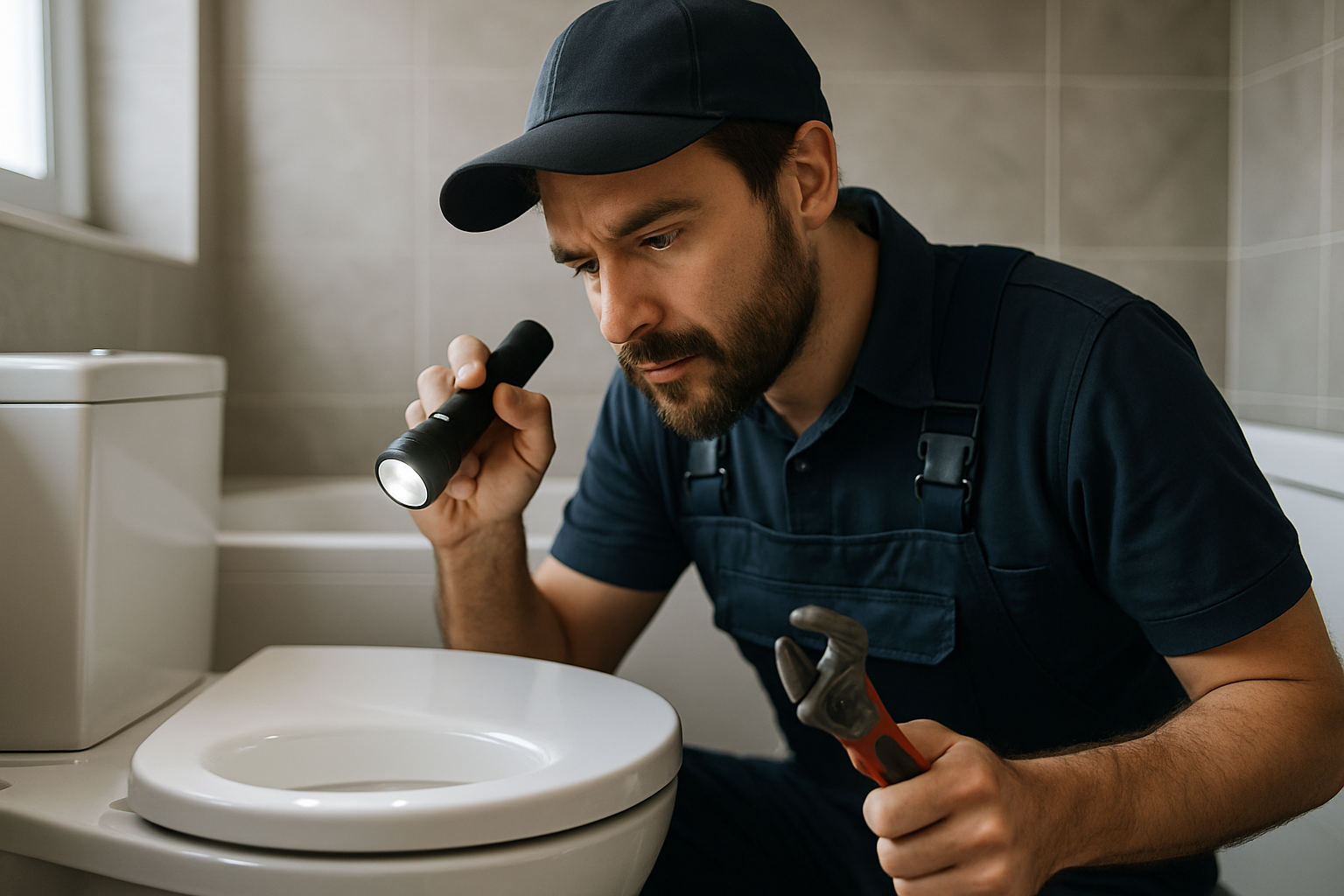
Bathroom Leak Repair — We Improve For You
Troubleshooting Guide

Bathroom Leak Repair Troubleshooting Guide — We Improve For You

At We Improve For You, we understand that a bathroom leak can lead to more than just a wet floor; it can cause significant structural damage if not addressed promptly. In Branford, CT, homeowners may overlook minor leaks, thinking they are inconsequential, but the truth is, even a small leak can result in costly repairs later on. That's why having a solid troubleshooting guide can help you identify, address, and prevent leaks effectively. Our goal is to empower you with the knowledge to recognize the signs of leaks and take preventive measures before they escalate into major problems. This guide will help you understand common symptoms of bathroom leaks, potential causes, and some DIY fixes you can try. However, it's essential to recognize when to call in professionals, as some leaks can be hidden or involve complex plumbing issues. As a trusted bathroom remodeler in Branford, CT, we are dedicated to providing you with comprehensive resources to tackle bathroom leaks efficiently. Let’s dive into the details and equip you with the tools you need to maintain a safe and functional bathroom space.

By We Improve For You
8 min read
Expert-reviewed
Having an Emergency?
Don't wait — call us now for 24/7 emergency service in Branford, CT.
(475) 270-5258
Symptoms & Causes

Identify the Problem

Match your symptoms to the most likely cause. Severity ratings help you decide how urgently to act.

Water stains on ceilings or wallshigh
Likely cause: Leaking pipes, Damaged grout, Improperly sealed tubs or showers
DIY check: Check for visible leaks and reseal any loose grout or seals.
Mold or mildew buildupmedium
Likely cause: Excess moisture, Poor ventilation, Leaking fixtures
DIY check: Use a mold cleaner and ensure proper ventilation in the bathroom.
Increased water billhigh
Likely cause: Undetected leaks, Running toilets, Faulty faucets
DIY check: Monitor your water usage and check for leaks or running fixtures.
Pooling water around the base of the toilethigh
Likely cause: Faulty wax ring, Loose connections, Cracked toilet base
DIY check: Tighten connections and replace the wax ring if necessary.
Damp spots on the bathroom floormedium
Likely cause: Leaking pipes, Condensation issues, Faulty shower head
DIY check: Inspect pipes and fixtures for leaks and replace any damaged parts.
Dripping faucetlow
Likely cause: Worn-out washers, Corroded valve seats, Loose faucet parts
DIY check: Replace the washer or tighten the faucet components.
Unpleasant odors in the bathroommedium
Likely cause: Trapped water, Mold growth, Drain issues
DIY check: Check drains for clogs and ensure proper cleaning of surfaces.
Cracks in the tiles or groutmedium
Likely cause: Foundation settling, Water damage, Improper installation
DIY check: Regrout tiles and monitor for further cracking.
What to Do Next

Step-by-Step Action Plan

Follow these steps before calling a technician — you may be able to resolve the issue yourself.

1

Identify Visible Leaks

Check all visible plumbing fixtures, including sinks, toilets, and bathtubs for any signs of leaking water. Look for pooling water, dampness, or water stains.

2

Inspect Connections

Examine the connections between pipes and fixtures. Ensure that all connections are tight and that no water is escaping from joints.

3

Test for Hidden Leaks

Shut off the water supply and observe your water meter. If it continues to run, you may have a hidden leak that requires professional assistance.

4

Check Caulking and Grout

Inspect the caulking around tubs and sinks for any cracks or gaps. Reseal as necessary to prevent water from infiltrating behind tiles.

5

Monitor Humidity Levels

Keep an eye on the humidity levels in your bathroom. Use exhaust fans to reduce moisture and prevent mold growth from leaks.

6

Document Findings

Take notes of any issues you find, including dates and specifics of the problems. This documentation will be useful if you need to call a professional.

Pro Tip
Always turn off power to the unit at the breaker before inspecting any components. Safety first — even for simple checks.
When to Call a Professional

Don't DIY These Situations

Some repairs require a licensed technician for safety, code compliance, and warranty protection.

Professional Assessment Required

You cannot locate the source of the leak despite thorough inspections.

Professional Assessment Required

The leak is causing significant structural damage or mold growth.

Professional Assessment Required

You suspect a hidden leak within the walls or under the floor.

Professional Assessment Required

The plumbing issue requires specialized tools and expertise to resolve.

Professional Assessment Required

You have multiple leaks occurring simultaneously, indicating a larger plumbing problem.

Common Questions
How can I tell if I have a hidden leak?
Hidden leaks can be difficult to detect, but there are signs you can look for. Monitor your water meter; if it continues to register usage when no water is being used, this is a strong indication of a hidden leak. Additionally, look for damp spots on walls or ceilings, and listen for unusual sounds from plumbing when no one is using it. If you suspect a hidden leak, it's best to consult a professional like We Improve For You.
What are the most common causes of bathroom leaks?
Common causes of bathroom leaks include worn-out seals around fixtures, corroded pipes, and improper installation of plumbing fixtures. Additionally, environmental factors such as humidity and temperature changes can contribute to the likelihood of leaks. Regular maintenance and inspections can help prevent these issues from escalating.
Can I repair a leak myself?
Many minor leaks can be repaired by homeowners, especially those involving simple tasks like replacing washers or resealing caulk. However, for more complex issues, such as leaks from hidden pipes or significant structural damage, it's best to call a professional. Attempting to fix major leaks without the right expertise could lead to more damage.
How do I prevent mold from forming due to leaks?
To prevent mold from forming, it's essential to address leaks immediately and eliminate excess moisture in your bathroom. Ensure proper ventilation by using exhaust fans and keeping windows open when possible. Regularly clean surfaces with mold-resistant products, and consider using a dehumidifier in particularly humid conditions to keep moisture levels in check.
Related Services

We Can Fix It For You

Our licensed team serves Branford, CT and surrounding areas — same-day service available.

Problem Solved — Or Need a Pro?

Our licensed team serves Branford, CT and surrounding areas. Get a free diagnosis — no obligation.