
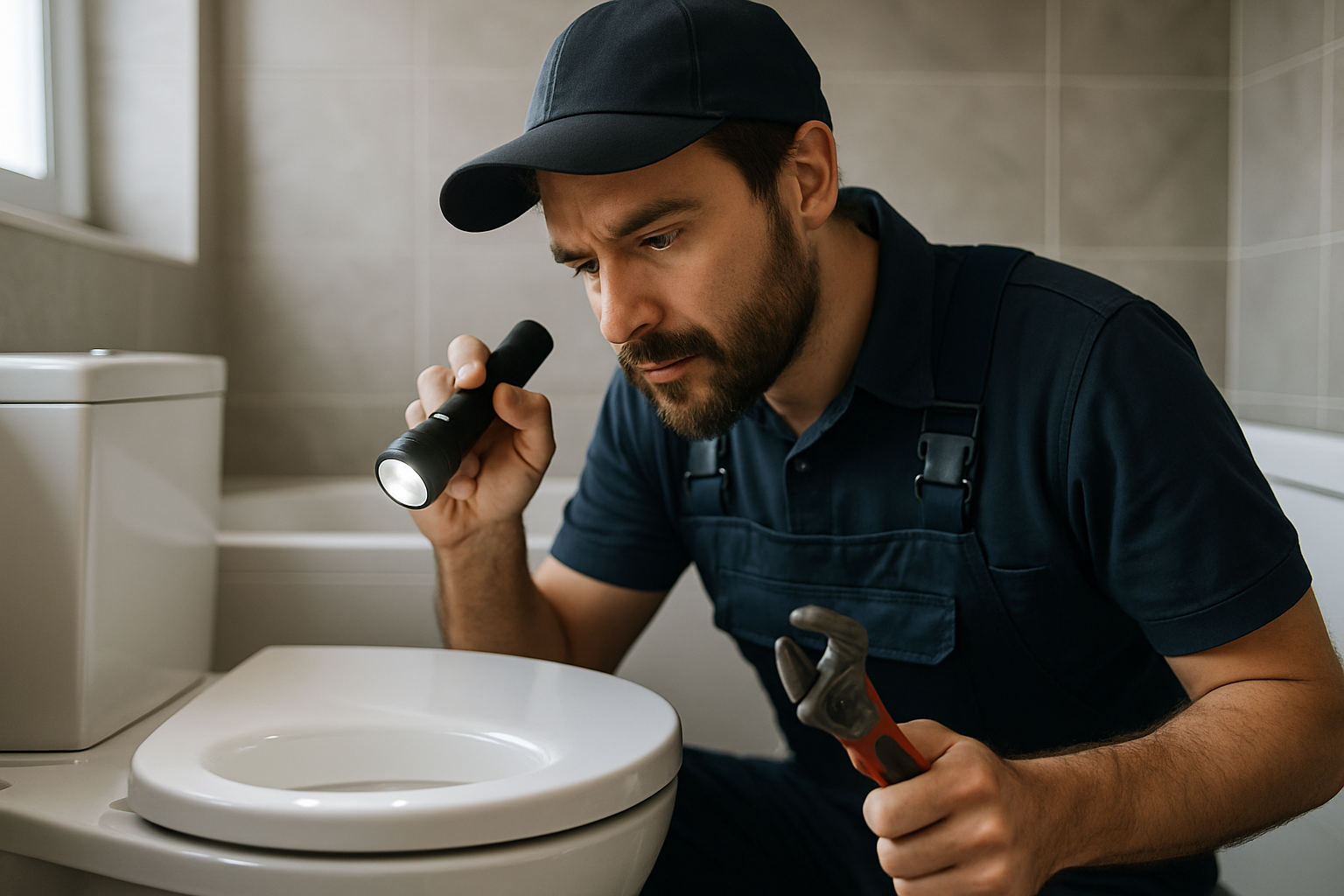
Bathroom Mold Remediation — We Improve For You
Troubleshooting Guide

Bathroom Mold Remediation Troubleshooting Guide — We Improve For You

In the humid climate of Branford, CT, homeowners often face the challenge of bathroom mold, which not only affects the aesthetics of your space but can also pose serious health risks. Mold thrives in damp environments, making bathrooms a prime target for growth. Understanding how to identify and address mold issues promptly is essential for maintaining a safe and healthy home. We Improve For You specializes in bathroom mold remediation, providing expert solutions tailored to the unique needs of Branford residents. This troubleshooting guide is designed to help you recognize common symptoms of mold problems and take effective steps toward remediation. Whether you’re dealing with unsightly stains, musty odors, or persistent health issues, knowing what to look for can empower you to act quickly. However, some situations require professional intervention to ensure thorough remediation and prevent future growth. Explore the steps and tips outlined in this guide to help you tackle bathroom mold effectively, ensuring your home remains a safe haven for you and your family.

By We Improve For You
8 min read
Expert-reviewed
Having an Emergency?
Don't wait — call us now for 24/7 emergency service in Branford, CT.
(475) 270-5258
Symptoms & Causes

Identify the Problem

Match your symptoms to the most likely cause. Severity ratings help you decide how urgently to act.

Visible mold growth on walls or ceilingshigh
Likely cause: High humidity levels, Poor ventilation, Water leaks
DIY check: Clean small areas of mold with a mixture of vinegar and water. Ensure the space is well-ventilated.
Musty odor in the bathroommedium
Likely cause: Trapped moisture, Hidden mold sources, Inadequate air circulation
DIY check: Increase ventilation by opening windows or using an exhaust fan to reduce humidity.
Peeling or bubbling paint on wallsmedium
Likely cause: Moisture buildup, Mold behind the surface, Improper sealing
DIY check: Repair damaged areas and repaint with mold-resistant paint after addressing moisture issues.
Water stains on ceilings or wallshigh
Likely cause: Leaky pipes, Roof leaks, Excessive condensation
DIY check: Identify and repair leaks, then dry the affected area thoroughly.
Allergy symptoms worsen in the bathroomhigh
Likely cause: Mold spores in the air, Dust buildup, Poor air quality
DIY check: Regularly clean and maintain the bathroom to minimize allergens and mold growth.
Condensation on mirrors or wallsmedium
Likely cause: High humidity, Inadequate ventilation, Hot showers without airflow
DIY check: Use dehumidifiers and ensure proper ventilation during and after showers.
What to Do Next

Step-by-Step Action Plan

Follow these steps before calling a technician — you may be able to resolve the issue yourself.

1

Identify the Source

Check for leaks in plumbing fixtures, assess the roof for any signs of damage, and look for areas with poor ventilation.

2

Assess the Extent of the Mold

Inspect all surfaces in the bathroom, including behind fixtures and under sinks, to determine how widespread the mold growth is.

3

Test for Moisture Levels

Use a moisture meter to check humidity levels in the bathroom. If levels exceed 60%, mold growth is likely.

4

Implement Temporary Solutions

Increase ventilation by installing exhaust fans and keeping windows open when possible to help reduce humidity.

5

Clean Affected Areas

For minor mold issues, clean small areas with a vinegar solution or specialized mold cleaner, ensuring to wear protective gear.

6

Consider Professional Help

If mold covers large areas or if you have health concerns, contact We Improve For You for comprehensive mold remediation services.

Pro Tip
Always turn off power to the unit at the breaker before inspecting any components. Safety first — even for simple checks.
When to Call a Professional

Don't DIY These Situations

Some repairs require a licensed technician for safety, code compliance, and warranty protection.

Professional Assessment Required

Mold covers a large area, exceeding 10 square feet.

Professional Assessment Required

The mold is located in hard-to-reach areas, such as behind walls or under flooring.

Professional Assessment Required

Health issues arise, such as respiratory problems or allergic reactions, linked to mold exposure.

Professional Assessment Required

Persistent moisture issues continue despite DIY efforts to remedy the situation.

Professional Assessment Required

The source of the mold is unclear, requiring specialized equipment to detect hidden mold.

Common Questions
How can I tell if I have mold in my bathroom?
Common signs of mold in your bathroom include visible patches of mold on walls and ceilings, a musty odor, and increased allergy symptoms. If you suspect mold, inspect hidden areas such as behind toilets and under sinks, as mold often grows in places that are not easily visible. If you see or smell mold, it's crucial to act quickly to prevent further growth.
What causes mold to grow in bathrooms?
Mold grows in bathrooms primarily due to excess moisture from showers, baths, and humidity. Poor ventilation exacerbates the problem by trapping moisture in the air. Other contributing factors can include plumbing leaks, condensation on surfaces, and inadequate cleaning practices that allow organic materials to accumulate.
Can I remove mold myself, or should I hire a professional?
For small areas of mold (less than 10 square feet), homeowners may safely remove it using appropriate cleaning solutions. However, if mold covers a larger area, or if you experience health issues related to mold exposure, it's best to hire a professional. We Improve For You has the expertise and equipment needed to ensure thorough remediation and prevent future growth.
How do I prevent mold from returning after remediation?
To prevent mold from returning, ensure that your bathroom is well-ventilated by using exhaust fans and opening windows. Regular cleaning with mold-resistant products, fixing leaks promptly, and maintaining low humidity levels are also crucial steps. Installing dehumidifiers in particularly humid areas can further help in mold prevention.
Related Services

We Can Fix It For You

Our licensed team serves Branford, CT and surrounding areas — same-day service available.

Problem Solved — Or Need a Pro?

Our licensed team serves Branford, CT and surrounding areas. Get a free diagnosis — no obligation.