
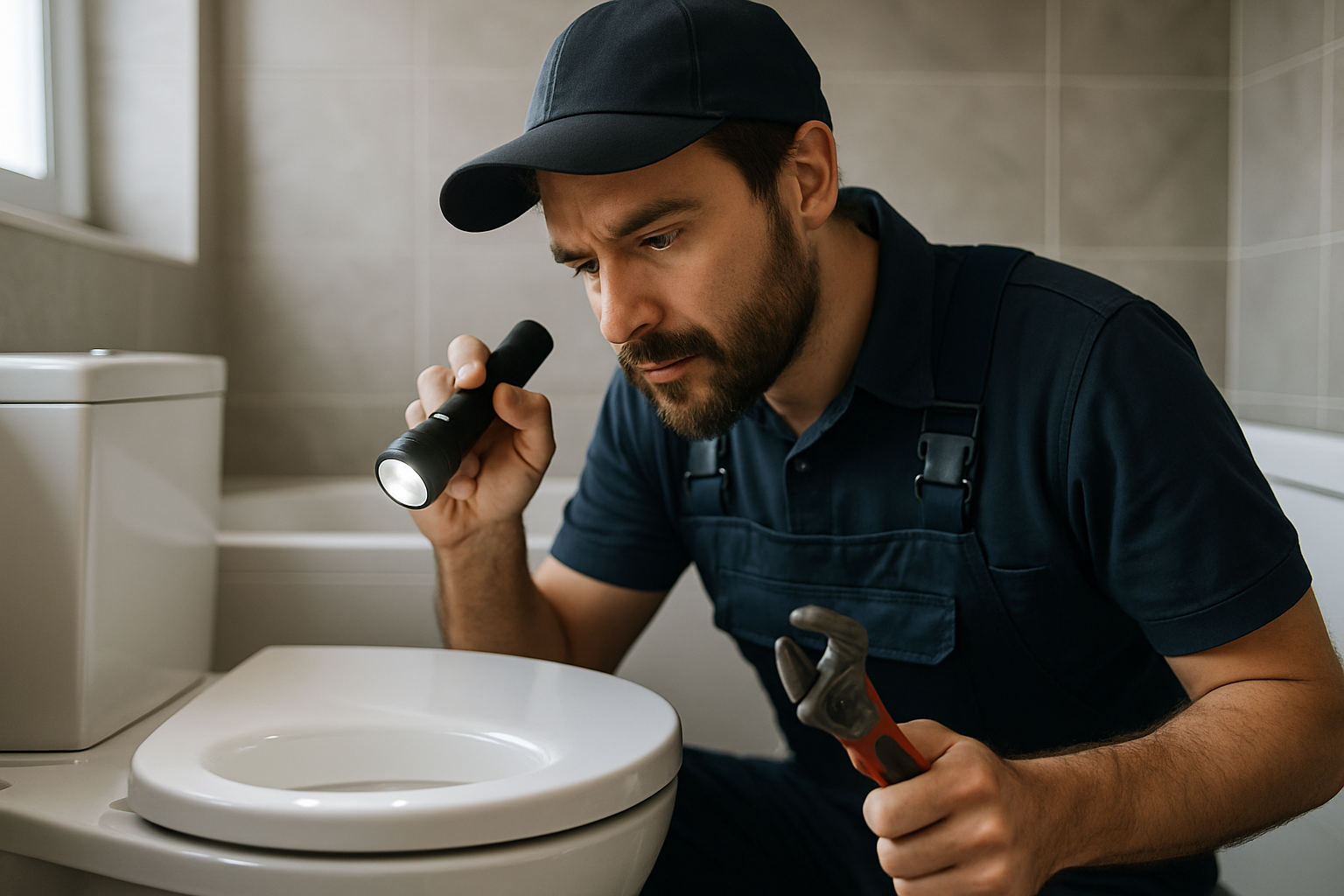
Bathroom Water Heater Installation — We Improve For You
Troubleshooting Guide

Bathroom Water Heater Installation Troubleshooting Guide — We Improve For You

At We Improve For You, we understand that a properly functioning water heater is critical for your bathroom's comfort and efficiency in Branford, CT. Whether you're enjoying a relaxing shower or ensuring hot water for your daily routines, any issues with your water heater can disrupt your day. This troubleshooting guide is designed to help homeowners like you identify common problems related to bathroom water heater installations and provide actionable solutions. With our expertise, we aim to empower you to tackle minor issues confidently while knowing when to call for professional assistance. From inconsistent water temperatures to strange noises, recognizing the signs of trouble early can save you time and money. We are committed to helping you maintain a reliable hot water supply in your home. Our guide breaks down common symptoms and their causes, along with do-it-yourself fixes and steps to help you address these issues effectively. Remember, while some problems can be resolved easily, others require the expertise of our trained professionals to ensure safety and compliance with local codes in Branford, CT. Let's dive into the troubleshooting process and keep your bathroom water heater running smoothly.

By We Improve For You
8 min read
Expert-reviewed
Having an Emergency?
Don't wait — call us now for 24/7 emergency service in Branford, CT.
(475) 270-5258
Symptoms & Causes

Identify the Problem

Match your symptoms to the most likely cause. Severity ratings help you decide how urgently to act.

Water is not heating at all.high
Likely cause: Power supply issue, Thermostat malfunction, Heating element failure
DIY check: Check the power supply and reset the circuit breaker if necessary.
Water temperature is inconsistent.medium
Likely cause: Thermostat set incorrectly, Sediment buildup, Faulty heating element
DIY check: Adjust the thermostat setting and flush the tank to remove sediment.
Strange noises coming from the heater.medium
Likely cause: Sediment buildup, Faulty heating element, Pressure imbalance
DIY check: Flush the heater to remove sediment that may be causing noise.
Leaking water around the heater.high
Likely cause: Loose connections, Corroded tank, Faulty pressure relief valve
DIY check: Inspect for loose connections and tighten them; if corrosion is present, call a professional.
Discolored water from the tap.medium
Likely cause: Sediment in the tank, Corrosion in pipes, Bacterial growth
DIY check: Flush the tank and check for corroded pipes; consider replacing the heater if necessary.
Water heater is not supplying enough hot water.medium
Likely cause: Under-sized heater, Thermostat setting too low, Insufficient recovery rate
DIY check: Increase the thermostat setting and assess if the heater meets your household's needs.
Water heater trips the circuit breaker frequently.high
Likely cause: Electrical issues, Faulty heating element, Wiring problems
DIY check: Inspect the wiring and connections; if issues persist, consult a professional.
What to Do Next

Step-by-Step Action Plan

Follow these steps before calling a technician — you may be able to resolve the issue yourself.

1

Check the Power Supply

Ensure that your water heater is receiving power. Inspect the circuit breaker and reset it if necessary.

2

Inspect the Thermostat

Verify that the thermostat is set to the desired temperature. Adjust it and see if the heating improves.

3

Flush the Water Heater

Sediment can build up in the tank over time, affecting performance. Follow the manufacturer’s instructions to flush the tank.

4

Examine for Leaks

Check around the water heater for any signs of leaks. If you find any, tighten connections or call a professional if corrosion is suspected.

5

Check the Heating Element

If the water is not heating properly, the heating element may be faulty. Inspect and replace it if necessary.

6

Review User Manual

Refer to the user manual for specific troubleshooting tips related to your model of water heater.

Pro Tip
Always turn off power to the unit at the breaker before inspecting any components. Safety first — even for simple checks.
When to Call a Professional

Don't DIY These Situations

Some repairs require a licensed technician for safety, code compliance, and warranty protection.

Professional Assessment Required

If the water heater is leaking and you suspect corrosion, immediate professional assessment is needed.

Professional Assessment Required

When electrical issues are identified, such as frequent circuit breaker trips, consulting a licensed electrician is essential.

Professional Assessment Required

If you are unsure how to safely flush or maintain the unit, it's best to call a professional.

Professional Assessment Required

In case of consistent problems despite DIY fixes, a professional can provide a thorough inspection and repair.

Professional Assessment Required

For compliance with local Branford codes, especially for gas water heaters, a licensed contractor should perform installations or repairs.

Common Questions
What should I do if my water heater is not heating?
If your water heater is not heating, first check the power supply and ensure the circuit breaker has not tripped. Next, inspect the thermostat setting to make sure it is correctly adjusted. If these steps do not resolve the issue, the heating element may be faulty or there may be a more complex electrical problem that requires a professional's attention.
How often should I flush my water heater?
Flushing your water heater at least once a year is recommended to remove sediment buildup. This process can improve efficiency and prolong the lifespan of the unit. If you have hard water, you may need to flush it more frequently. Always consult your manufacturer's instructions for specific recommendations.
Why is my water heater making strange noises?
Strange noises from your water heater are often caused by sediment buildup at the bottom of the tank, which can create popping or rumbling sounds as the unit heats the water. Flushing the tank can usually resolve this issue. If the noises persist, it may indicate a faulty heating element or other internal problems that require professional inspection.
What are the signs of a failing water heater?
Signs of a failing water heater include inconsistent water temperatures, leaks, strange noises, and discolored water. If you notice these symptoms, it's essential to take action quickly to avoid potential water damage and ensure your comfort. Consulting a professional can provide a thorough assessment and necessary repairs.
Related Services

We Can Fix It For You

Our licensed team serves Branford, CT and surrounding areas — same-day service available.

Problem Solved — Or Need a Pro?

Our licensed team serves Branford, CT and surrounding areas. Get a free diagnosis — no obligation.