
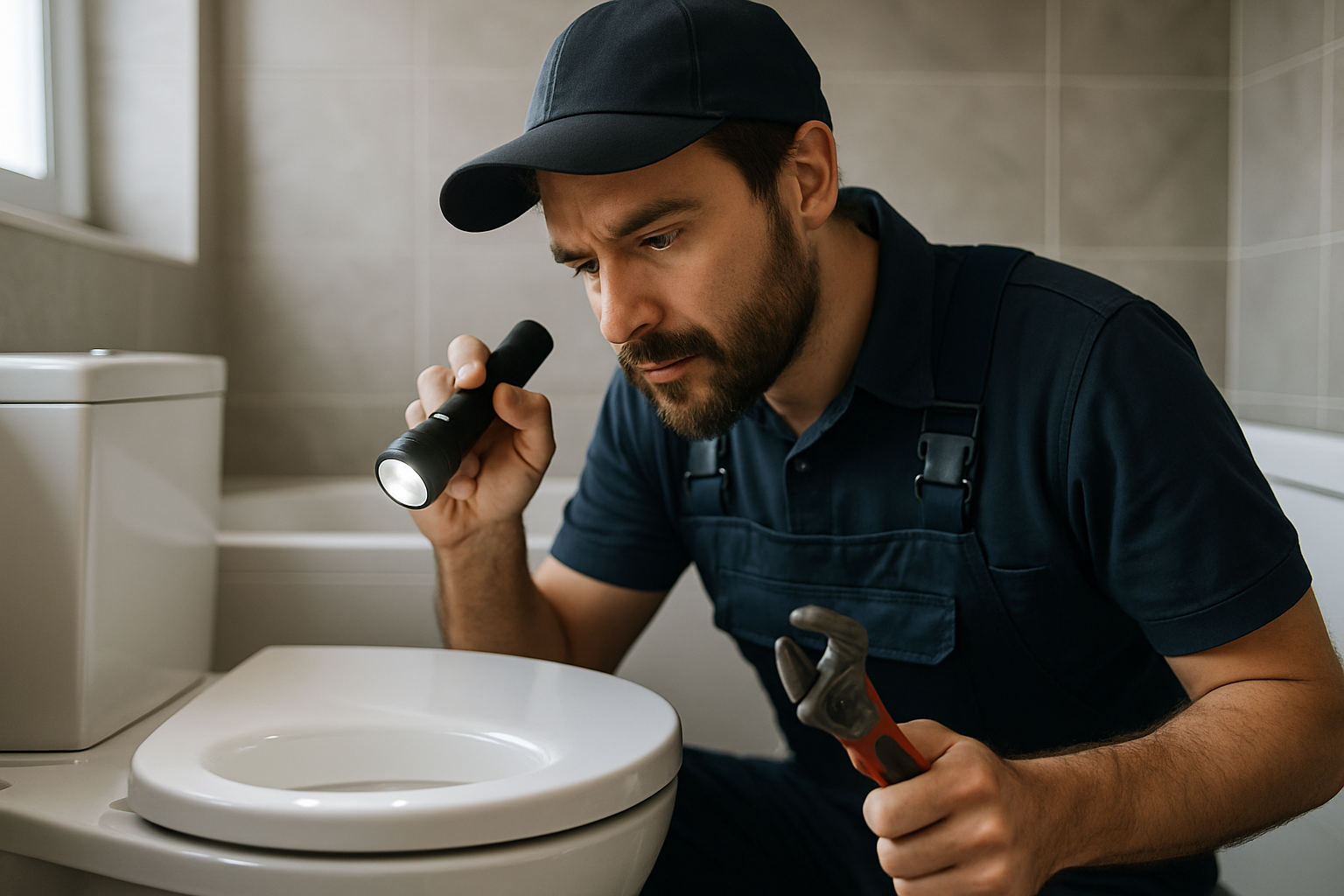
Handicap Accessible Bathroom Troubleshooting Guide — We Improve For You
Creating a handicap accessible bathroom is essential for ensuring the safety and comfort of individuals with mobility challenges. At We Improve For You in Branford, CT, we understand the unique needs that come with designing and maintaining these crucial spaces. From grab bars to walk-in tubs, accessibility features can significantly enhance the quality of life for those who rely on them. However, like any specialized installation, these bathrooms can encounter specific issues that require troubleshooting. This guide aims to help homeowners identify common problems and take appropriate steps to resolve them, ensuring that their handicap accessible bathroom meets all safety and usability standards. Whether you are facing difficulties with your grab bars, shower accessibility, or toilet height, this troubleshooting guide will provide you with valuable insights. Armed with the right knowledge, you can make informed decisions about whether to tackle the issue yourself or when to call in professionals like We Improve For You. Our experienced team is dedicated to ensuring that every accessible bathroom we create is not only functional but also a safe haven for its users. Let’s delve into common symptoms that may arise in handicap accessible bathrooms and how you can address them effectively.
Identify the Problem
Match your symptoms to the most likely cause. Severity ratings help you decide how urgently to act.
Step-by-Step Action Plan
Follow these steps before calling a technician — you may be able to resolve the issue yourself.
Assess the Problem
Begin by identifying the specific issue you're experiencing in your handicap accessible bathroom. Take note of symptoms such as loose grab bars, leaks, or mobility challenges.
Check Installation and Maintenance
Review the installation instructions for each accessibility feature to ensure they were installed correctly. Also, check if any routine maintenance is overdue.
Evaluate Safety Features
Ensure that all safety features like grab bars, non-slip surfaces, and lighting are functioning properly and meet safety standards.
Make Simple Repairs
Attempt to fix minor issues yourself, such as re-tightening screws, replacing light bulbs, or adding non-slip mats. Document any changes you make.
Consult a Professional
If problems persist or seem beyond your ability to fix safely, contact We Improve For You in Branford, CT, for professional assistance. Our team specializes in accessible bathroom solutions.
Don't DIY These Situations
Some repairs require a licensed technician for safety, code compliance, and warranty protection.
If you encounter electrical issues with lighting that could pose a safety hazard.
When structural modifications are needed to accommodate wheelchair accessibility.
If plumbing problems arise that require specialized tools and expertise.
For any installation errors that could compromise safety features.
If you need to redesign the layout for improved access and usability.
What should I do if my grab bars feel loose?
How can I make my shower safer for wheelchair users?
Is it necessary to consult a professional for minor repairs?
How often should I inspect my handicap accessible bathroom?
We Can Fix It For You
Our licensed team serves Branford, CT and surrounding areas — same-day service available.
Problem Solved — Or Need a Pro?
Our licensed team serves Branford, CT and surrounding areas. Get a free diagnosis — no obligation.