
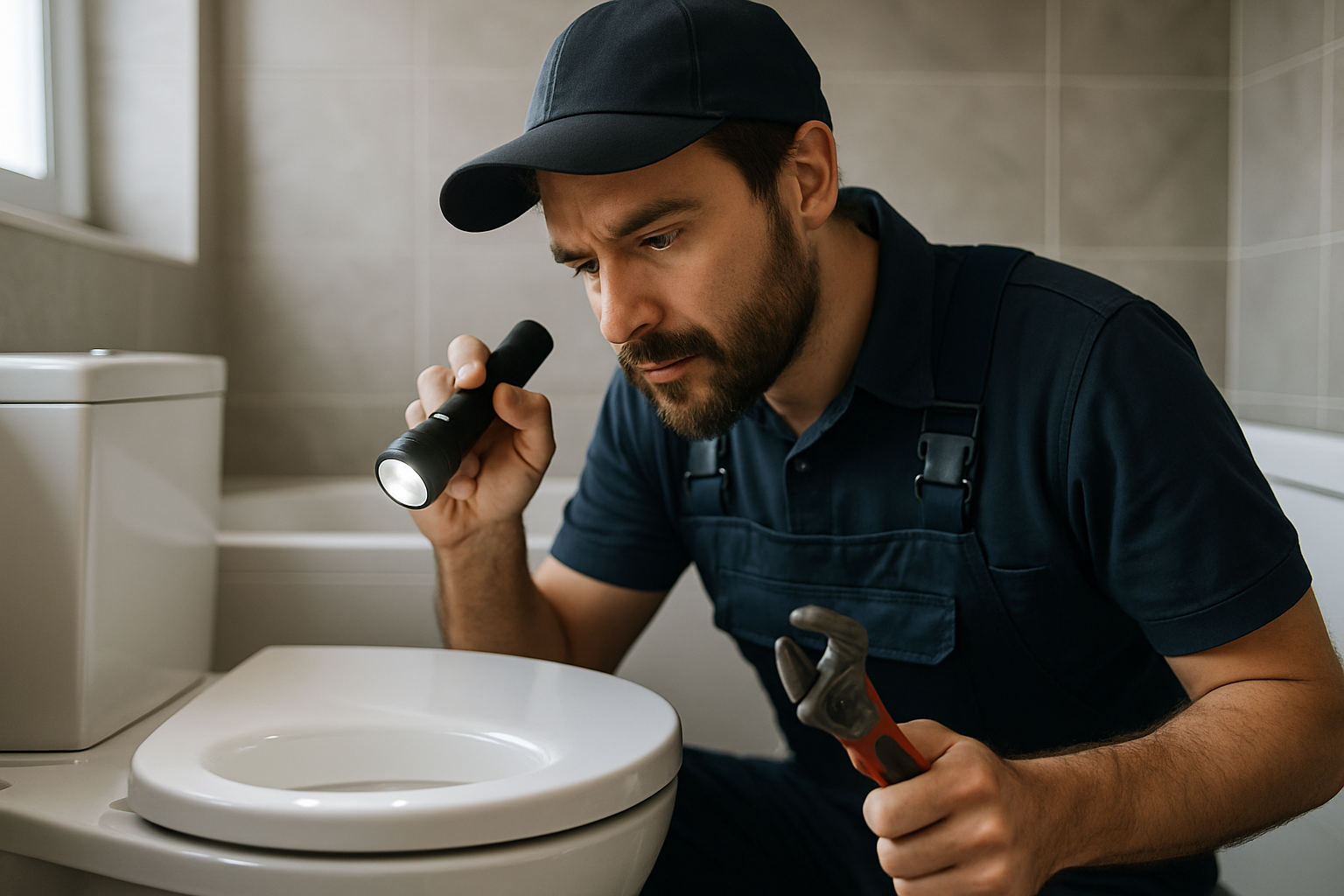
Tub Replacement — We Improve For You
Troubleshooting Guide

Tub Replacement Troubleshooting Guide — We Improve For You

When considering a tub replacement in Branford, CT, it's essential to understand the potential challenges that could arise during the process. A tub replacement is not just an aesthetic upgrade; it's a significant home improvement project that can enhance your bathroom's functionality and value. However, like any renovation, complications may surface, and knowing how to troubleshoot these issues can save you time and money. At We Improve For You, we emphasize the importance of being informed about common problems that homeowners may encounter during a tub replacement. With our guide, you’ll find detailed insights into symptoms, possible causes, and steps to take before deciding whether to tackle the issue yourself or call in a professional. From leaks to improper sizing, understanding these aspects can ensure your tub replacement goes smoothly, leaving you with a beautiful and efficient bathroom space.

By We Improve For You
8 min read
Expert-reviewed
Having an Emergency?
Don't wait — call us now for 24/7 emergency service in Branford, CT.
(475) 270-5258
Symptoms & Causes

Identify the Problem

Match your symptoms to the most likely cause. Severity ratings help you decide how urgently to act.

Water leakage around the tubhigh
Likely cause: Improper sealing, Damaged tub edges, Faulty plumbing connections
DIY check: Check the caulking around the tub and reapply if necessary.
Tub not levelmedium
Likely cause: Uneven floor, Incorrect installation, Deterioration of support structure
DIY check: Use a level to check and shim the tub if needed.
Cracks or chips in the tubmedium
Likely cause: Poor quality materials, Impact damage, Improper installation
DIY check: Use an epoxy repair kit to fill small cracks.
Poor water drainagehigh
Likely cause: Clogged drain, Incorrect slope, Obstructed plumbing
DIY check: Check for clogs and clear the drain if necessary.
Tub surface discolorationlow
Likely cause: Hard water stains, Chemical damage, Aging materials
DIY check: Use a gentle cleaner to scrub and restore the tub's surface.
Unpleasant odor coming from the tubmedium
Likely cause: Mold growth, Stagnant water, Improper drainage
DIY check: Thoroughly clean the tub and check for any standing water.
What to Do Next

Step-by-Step Action Plan

Follow these steps before calling a technician — you may be able to resolve the issue yourself.

1

Inspect the Installation

Check if the tub is installed level and properly secured. Uneven positioning can lead to complications like leaks and poor drainage.

2

Examine Seals and Caulking

Look for cracks or gaps in the caulking around the tub. Reapply caulk where necessary to prevent leaks.

3

Assess Drainage

Test the drainage by filling the tub and observing how quickly the water empties. If slow, check for clogs.

4

Check for Surface Damage

Inspect the tub for any visible cracks or chips that may need repair. Look for discoloration that indicates deeper issues.

5

Investigate Odors

Identify any sources of unpleasant odors, which could indicate mold or stagnant water. Ensure proper drainage and cleaning.

Pro Tip
Always turn off power to the unit at the breaker before inspecting any components. Safety first — even for simple checks.
When to Call a Professional

Don't DIY These Situations

Some repairs require a licensed technician for safety, code compliance, and warranty protection.

Professional Assessment Required

Extensive plumbing issues that require rerouting or major repairs.

Professional Assessment Required

Severe structural problems in the bathroom that affect tub installation.

Professional Assessment Required

Complex mold or mildew problems that necessitate professional remediation.

Professional Assessment Required

Installation of specialized tubs that require advanced techniques and tools.

Professional Assessment Required

Failure to comply with local building codes during installation.

Common Questions
What are common signs that my tub needs to be replaced?
Common signs that indicate your tub may need replacement include visible cracks or chips, persistent leaks, poor drainage, and significant staining or discoloration. If your tub is showing these symptoms, it could be time for a replacement to avoid further damage and improve the aesthetics of your bathroom.
How long does a tub replacement typically take?
The duration of a tub replacement can vary, but typically, it takes between one to three days. This timeframe includes removing the old tub, preparing the space, and installing the new tub. Factors such as plumbing modifications or additional construction work can extend this timeline.
Can I replace my tub myself?
While some homeowners may attempt a DIY tub replacement, it's often recommended to hire professionals. Tub replacement involves plumbing, potential electrical work, and compliance with local building codes. Mistakes can lead to costly repairs and safety hazards, making professional installation a safer and more reliable option.
What should I consider when choosing a new tub?
When selecting a new tub, consider factors such as size, material, style, and features. It's essential to choose a tub that fits your space and meets your functional needs. Additionally, ensure the material is durable and easy to maintain, as well as aesthetically pleasing to complement your bathroom's design.
Related Services

We Can Fix It For You

Our licensed team serves Branford, CT and surrounding areas — same-day service available.

Problem Solved — Or Need a Pro?

Our licensed team serves Branford, CT and surrounding areas. Get a free diagnosis — no obligation.