
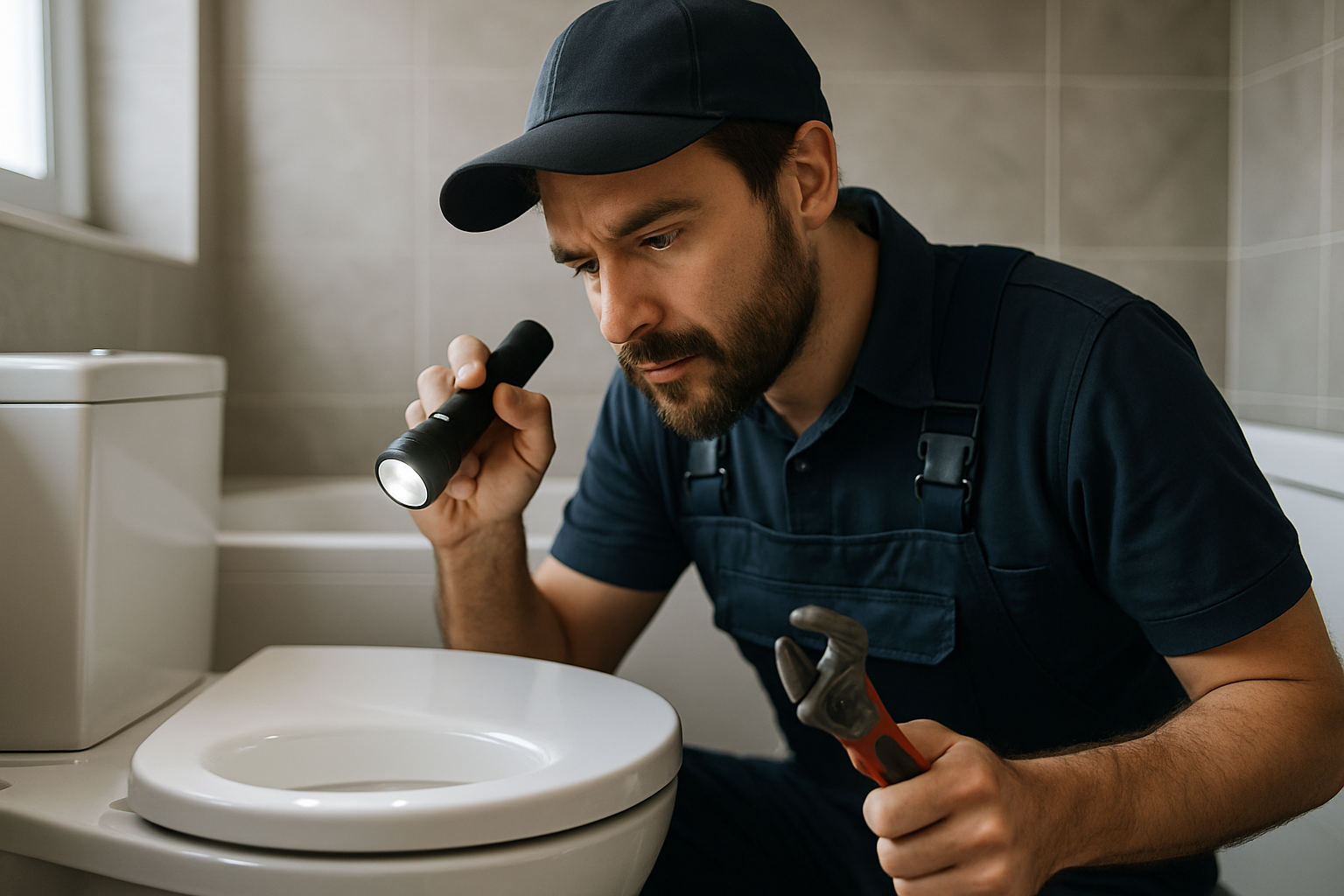
Walk-in Shower Installation — We Improve For You
Troubleshooting Guide

Walk-in Shower Installation Troubleshooting Guide — We Improve For You

Installing a walk-in shower can significantly enhance the accessibility and aesthetics of your bathroom. At We Improve For You, we understand that even the smallest details matter when it comes to ensuring your new shower functions perfectly. In Branford, CT, our team specializes in walk-in shower installations that cater to the unique needs and preferences of our clients. However, issues can sometimes arise post-installation, and knowing how to troubleshoot these problems can save you time and money. This guide aims to provide homeowners in Branford with practical troubleshooting tips specifically focused on walk-in shower installations. By understanding common symptoms and their causes, you can address minor issues before they escalate. Remember, while some problems may be easily fixed, others require professional intervention to ensure safety and compliance with local building codes. Let’s explore the potential issues you might encounter and how to tackle them effectively.

By We Improve For You
8 min read
Expert-reviewed
Having an Emergency?
Don't wait — call us now for 24/7 emergency service in Branford, CT.
(475) 270-5258
Symptoms & Causes

Identify the Problem

Match your symptoms to the most likely cause. Severity ratings help you decide how urgently to act.

Water pooling at the entrance of the walk-in showerhigh
Likely cause: Improper sloping of the floor, Blocked drainage system, Damaged shower pan
DIY check: Check the slope of the shower floor and clear any debris from the drain.
Cracks in the tiles or shower wallsmedium
Likely cause: Poor installation, Shifting foundation, Moisture buildup behind walls
DIY check: Inspect for any visible gaps and use grout to fill minor cracks.
Leaks around the shower fixtureshigh
Likely cause: Worn-out seals, Loose connections, Incorrect installation
DIY check: Tighten connections and replace any damaged seals.
Mold growth in the shower areamedium
Likely cause: Insufficient ventilation, Water retention, Poor sealing
DIY check: Ensure the area is well-ventilated and clean any visible mold with a bleach solution.
Uneven water pressure from the shower headmedium
Likely cause: Clogged shower head, Pressure imbalance in plumbing, Faulty valves
DIY check: Clean the shower head and check for any obstructions in the plumbing.
Unpleasant odors emanating from the showerlow
Likely cause: Stagnant water, Dirty drains, Mold or mildew
DIY check: Regularly clean the drain and ensure water is flowing freely.
Slippery floor surfacehigh
Likely cause: Wrong tile choice, Lack of anti-slip treatment, Water pooling
DIY check: Consider applying a non-slip coating or using mats designed for wet areas.
What to Do Next

Step-by-Step Action Plan

Follow these steps before calling a technician — you may be able to resolve the issue yourself.

1

Assess the Problem

Start by closely examining the symptom you've noticed. Take notes on when it occurs and any changes in your shower's performance.

2

Check for Visible Damage

Look for cracks, loose fittings, or signs of water damage in the surrounding areas to determine the extent of the issue.

3

Inspect the Drainage

Ensure that the shower drain is clear and functioning properly. Any blockages may lead to water pooling and other related issues.

4

Test Water Flow

Run the shower for a few minutes to observe water pressure and flow consistency. This can help identify plumbing issues.

5

Evaluate Seals and Grout

Check the seals around the fixtures and the grout between tiles for wear. Reapply or replace as necessary to prevent leaks.

6

Consider Ventilation Options

If mold or odors are present, assess the ventilation in your bathroom and consider installing an exhaust fan if inadequate.

Pro Tip
Always turn off power to the unit at the breaker before inspecting any components. Safety first — even for simple checks.
When to Call a Professional

Don't DIY These Situations

Some repairs require a licensed technician for safety, code compliance, and warranty protection.

Professional Assessment Required

If you discover a significant leak that isn't easily fixable.

Professional Assessment Required

When the shower installation does not meet local building codes.

Professional Assessment Required

If the plumbing requires extensive rerouting or repair.

Professional Assessment Required

In cases of structural damage around the shower area.

Professional Assessment Required

When facing persistent mold issues that require professional remediation.

Common Questions
What should I do if I notice water pooling at the shower entrance?
If you're experiencing water pooling at the entrance of your walk-in shower, it may be due to improper sloping of the floor or a blocked drain. First, check the slope to ensure it's directing water toward the drain. If the slope appears correct, inspect the drain for any blockages. Clearing debris can often resolve the issue. If problems persist, it may indicate a more serious installation error requiring professional help.
How can I prevent mold from forming in my walk-in shower?
To prevent mold in your walk-in shower, ensure proper ventilation by using exhaust fans and opening windows when possible. Regular cleaning with mold-inhibiting solutions can also help. After each shower, wipe down the walls and floor to minimize moisture retention. If mold does appear, it’s crucial to address it immediately to prevent health risks and further damage.
What are the signs of a faulty shower installation?
Signs of a faulty shower installation can include leaks around fixtures, uneven water pressure, and cracks in tiles or walls. Additionally, if you notice persistent odors or mold growth, it may indicate that water is trapped or that there are drainage issues. If you experience any of these problems, it's advisable to consult a professional to assess and rectify the installation.
How often should I inspect my walk-in shower?
It’s recommended to inspect your walk-in shower at least once every six months. Look for any signs of wear and tear, such as cracks in the grout or tiles, leaks, or mold growth. Regular inspections can help catch minor issues before they develop into costly repairs, ensuring your shower remains in optimal condition.
Related Services

We Can Fix It For You

Our licensed team serves Branford, CT and surrounding areas — same-day service available.

Problem Solved — Or Need a Pro?

Our licensed team serves Branford, CT and surrounding areas. Get a free diagnosis — no obligation.